
The Dark Side of Hope: Why We Stay Too Long
/
Four and a half years ago, I wrote in my journal:
“I am done with the disrespect.”
A month later, I asked my fiancé to move out. Four months after that, we got back together.
Two months later, I married him. And it took another three years before I finally walked away for good.
I share this because it captures something most people don’t understand: we don’t stay—or go back—because we’re weak. We do so
because hope can be blinding.
Hope feels noble. Hope feels loving. Hope feels spiritual. But there’s a dark side to hope, the part no one warns us about:
the side that keeps us holding on long after our hearts have broken, our boundaries have frayed, and our alignment has fallen silent.
We talk a lot about the beauty of hope. We don’t talk enough about how hope becomes toxic—
how it keeps us anchored to relationships that drain us instead of freeing us to heal.
Before I go any further, I want to lift up something important. Not everyone stays because of hope—some people are out of hope and still cannot leave due to financial dependence, safety concerns, or other real constraints. If that is you, this is not a failure of courage or self-respect; your awareness and your desire for something different already matter, and this piece is not meant to rush what must unfold safely.
The Double-Edged Sword of Hope
Healthy hope is rooted in self-trust.
It’s what allows you to build a future based on your own choices, your own resilience, your own truth.
Healthy hope sounds like:
I trust myself to create something better.
I trust life to meet me halfway.
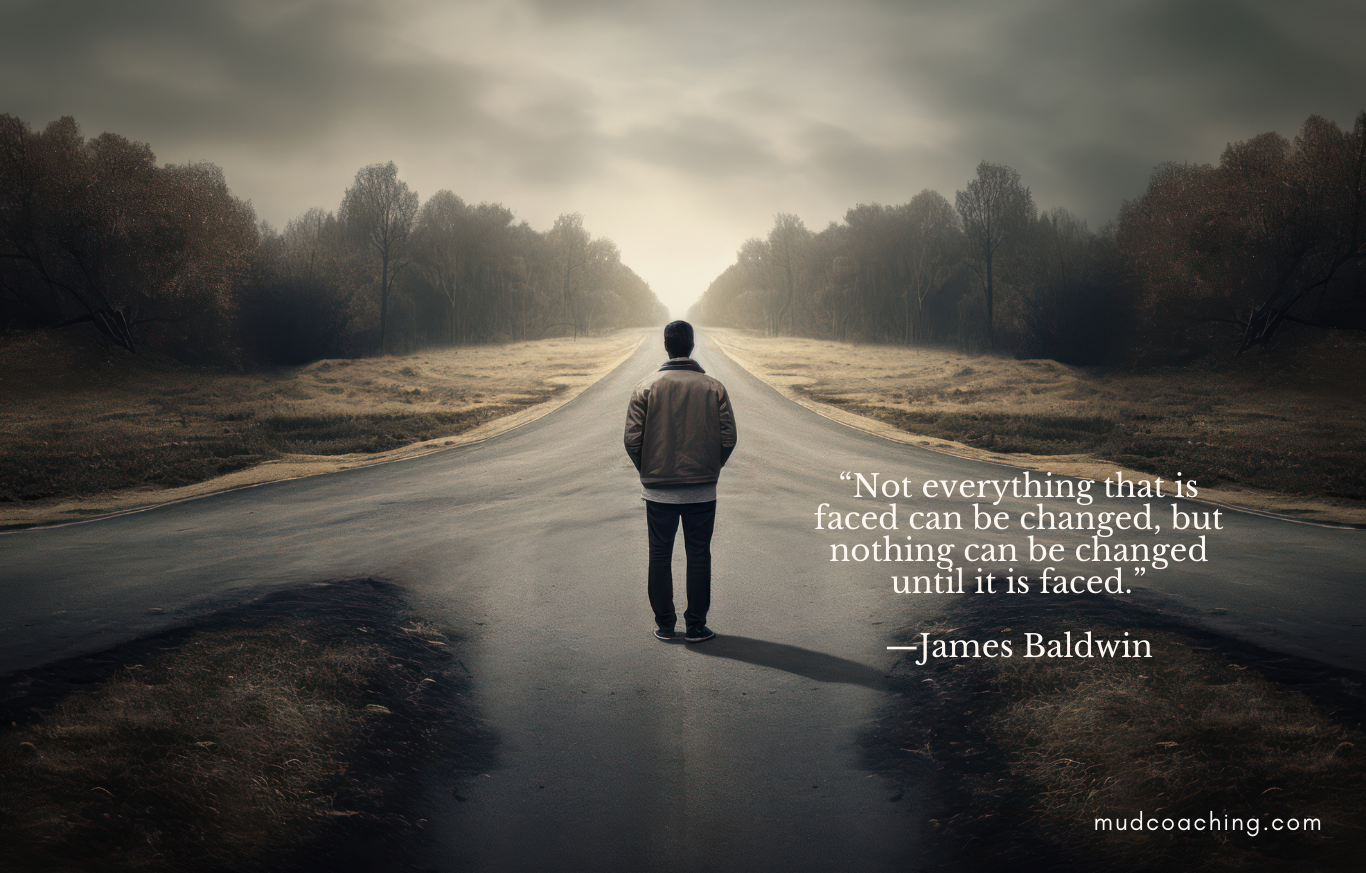
“The soul always knows what to do to heal itself. The challenge is to silence the mind.” —Clarissa Pinkola Estes
But unhealthy hope is different.
Unhealthy hope ties your emotional well-being to someone else’s potential, not their reality. It’s hope that feeds on fantasy instead of lived truth. It’s the hope that keeps you waiting for someone to become the version of themselves they promised you, not the one they continue to show you.
This is toxic hope in relationships:
hoping their behavior will change, even though history tells you otherwise
believing their intentions matter more than their actions
clinging to moments of “their best” while their worst erodes your self-worth
staying because “what if” keeps whispering in your ear
Toxic hope isn’t devotion. It’s self-abandonment that feels like loyalty.
Why We Cling to Hope in Toxic Relationships
If you’ve ever stayed too long, there’s a reason. Several, actually. And none of them mean you’re foolish or weak.
1. Cultural Conditioning: “Love Conquers All.”
Many of us were taught that perseverance is proof of love.
That leaving means we failed.
That devotion should override discomfort, disrespect, or unmet needs.
And so we stay, thinking endurance is noble, even when it hurts us.
2. Trauma Bonds and Nervous System Entanglement
When the person who wounds you is the same person who soothes you,
it creates emotional addiction.
Your system becomes acclimated to chaos and relief cycling back and forth.
It feels like “connection,” but it’s instability.
3. Fear of Loss and Starting Over
Leaving means grieving the dream you once held.
It means stepping into uncertainty.
It means starting again—alone.
Hope feels easier than heartbreak, even when it prolongs the inevitable.
4. Shame and Self-Doubt
High-achievers in particular struggle with this.
You think, I’m too smart for this. I should know better.
So when you stay, you justify staying.
You rationalize.
You over-explain.
You tell yourself you’re being compassionate, when really—you’re afraid.
5. The Sunk Cost Fallacy
The more you invest, the harder it becomes to leave.
You tell yourself, I can’t walk away now, not after all this time.
But time spent is not a reason to spend more.
“Love and abuse cannot coexist.”
—Bell Hooks
Why We Stay Too Long: The Heartbreaking Truth
We stay too long because walking away requires us to admit that the relationship we dreamed of will never exist.
We stay because it feels easier to cling to hope than to face the grief of letting the fantasy die.
We stay because the pain of disappointment feels more bearable than the pain of starting over.
We stay because we confuse endurance with love, because our nervous systems are entangled, because the version of them we keep praying for feels so close we can almost touch it.
But beneath all of it, here is the deepest truth:
we stay too long because it feels easier to lose ourselves than to lose them.
And that is the wound we must learn to heal.
But there’s another layer we rarely acknowledge:
heartbreak asks something of us that self-abandonment never does.
Heartbreak demands growth. It demands truth. It demands a reckoning with our needs, our patterns, our boundaries, and our worth. Staying, on the other hand, asks nothing new of us—only more of what we’ve always done.
Letting go forces us into our adulthood.
Staying lets us slip back into the familiar ache of childhood—the ache of trying to be enough for someone who cannot meet us.
Leaving requires identity.
Staying preserves the illusion.
And so we choose the pain we know over the uncertainty we fear.
We choose the fantasy because fantasy doesn’t reject us.
We choose hope because hope feels like movement, even when we’ve been standing still for years.
Toxic hope becomes a shelter—not because it protects us, but because it delays the storm.
And even when we know the storm will still come, we bargain with ourselves:
Maybe I just need to be more patient.
Maybe they’re really trying.
Maybe if I hold on a little longer…
But hope without evidence is not hope.
It is self-sacrifice.
Eventually, the truth becomes undeniable:
we didn’t stay because they were our person.
We stayed because we didn’t yet believe we were ours.
The Cost of False Hope
False hope extracts a heavy price.
You lose years.
You lose energy.
You lose the version of yourself who trusted her intuition.
And staying too long in a toxic relationship doesn’t just chip away at your well-being—it reshapes it.
The consequences are subtle at first, then devastating:
emotional exhaustion
lowered self-worth
chronic resentment
anxiety around conflict
believing you expect “too much” when you’re asking for the bare minimum
accepting crumbs and convincing yourself it’s a feast
The longer you stay, the more desensitized you become to mistreatment.
And once someone knows you’ll tolerate their worst,
they stop pretending they’ll offer their best.
The relationship doesn’t stagnate.
It deteriorates.
And you deteriorate with it.
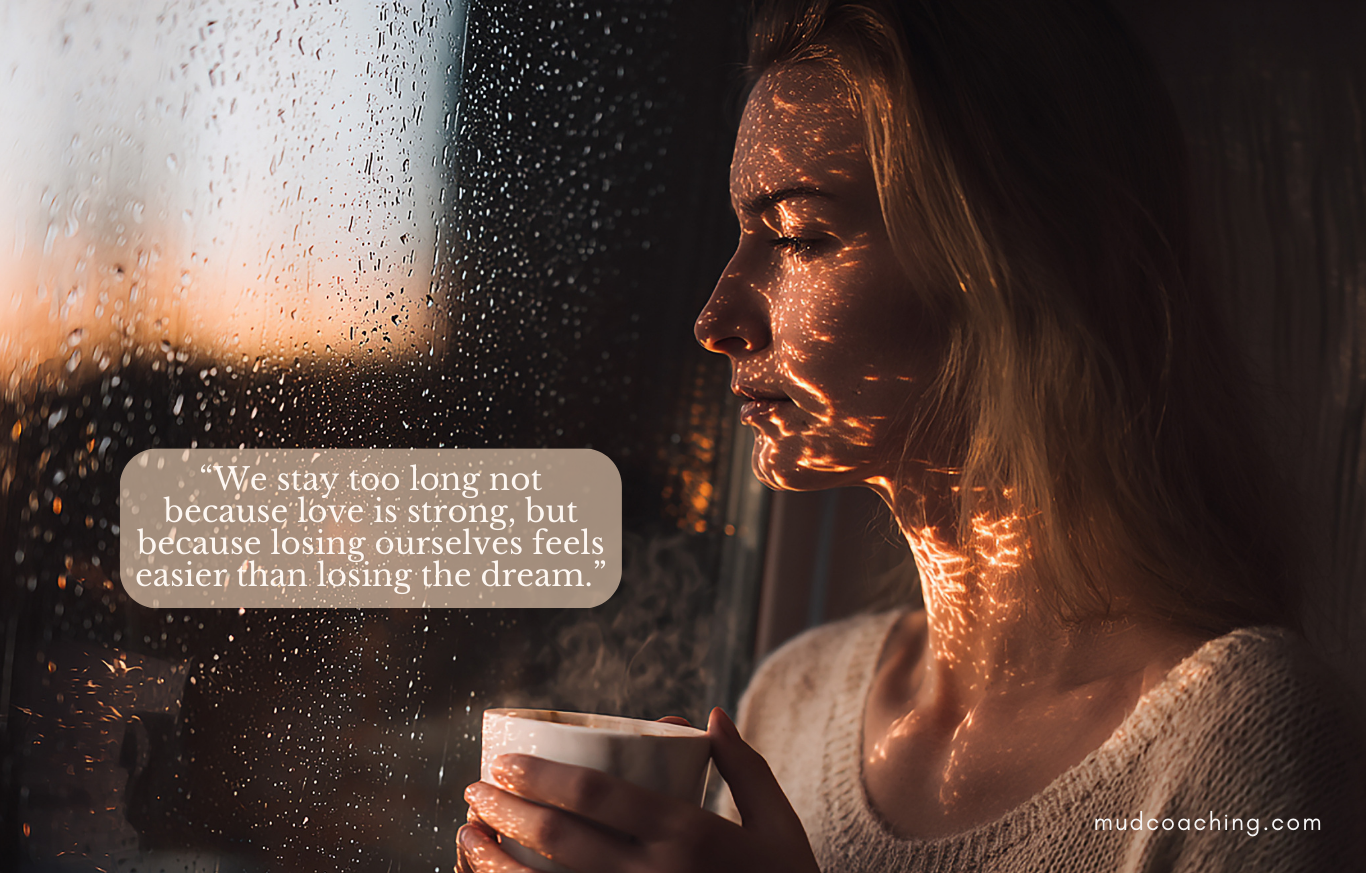
“We stay too long not because love is strong, but because losing ourselves feels easier than losing the dream.”
The Turning Point: When Hope Dies and Self-Respect Rises
My turning point wasn’t loud.
It wasn’t explosive. It wasn’t dramatic.
It was quiet. It was internal.
It was the moment I realized I wasn’t waiting for him to change anymore—
I was waiting for me to stop abandoning myself.
Leaving didn’t mean I didn’t love him.
Leaving meant I finally loved myself enough to stop calling suffering “hope.”
When toxic hope dies, self-respect rises.
That’s the beginning of alignment.
Alignment isn’t cynicism.
It’s clarity.
It’s the courage to accept what is real instead of clinging to what is possible.
(Unmet needs aren’t the problem. They’re the signal. When you’re not aligned with your own emotional needs, you abandon them—
then wonder why others do too. But when you’re truly aligned with what you need, one-sided dynamics simply can’t survive.
✨ Get clear. Get confident. Get your needs met. The No More Unmet Needs Workbook will walk you through it step by step 👉 Download now)
How to Recognize & Release Toxic Hope
Here are a few Questions for the Soul—gentle but honest invitations back into alignment.
1. Where am I hoping for someone to change instead of changing my own choices?
Your life cannot hinge on someone else’s transformation.
Hope in them is not a substitute for trust in yourself.
2. How long have I been saying “I’m done,” without actually leaving?
Patterns don’t lie.
Your mouth can promise anything—your choices tell the truth.
3. What would it look like to hope for myself instead of for them?
Redirect your hope:
from them → to you
from fantasy → to truth
from wishful thinking → to self-honoring decisions
That’s how you reclaim your power.
A Practical Shift: From Hoping They’ll Change to Trusting You Will Honor Yourself
Try replacing the phrase:
“I hope they…”
with
“I trust I will…”
“I hope they treat me better” → “I trust I won’t tolerate mistreatment.”
“I hope they show up for me” → “I trust I’ll show up for myself.”
“I hope they value me” → “I trust I know my worth.”
That shift is small.
But it changes everything.
Because it moves your power back where it belongs—inside you.
“Clear is kind. Unclear is unkind.”
—Brene Brown
Frequently Asked Questions About Toxic Hope
Why do people stay too long in unhealthy relationships?
People often stay because of toxic hope—the belief that someone will eventually change despite repeated evidence they won’t. Fear of starting over, trauma bonds, cultural conditioning, and shame around leaving all play a role.
What is toxic hope in relationships?
Toxic hope is hope that asks you to betray yourself. It keeps you focused on potential instead of behavior and encourages endurance where self-respect is needed.
How do I know if hope is helping me or hurting me?
Hope is healthy when it’s rooted in self-trust and aligned action. It becomes harmful when it keeps you stuck, exhausted, resentful, or repeatedly compromising your needs.
Is letting go of hope the same as giving up?
No. Letting go of false hope isn’t giving up—it’s waking up. It’s choosing truth over fantasy and self-respect over endurance.
Letting Go of False Hope Is an Act of Self-Respect
Letting go of hope doesn’t mean giving up.
It means waking up.
It means choosing alignment over fantasy.
It means choosing truth over potential. It means choosing yourself over the version of them you keep praying for.
You deserve a relationship that doesn’t require you to abandon your needs or your peace.
You deserve a love that honors you.
And that starts with honoring yourself.
If You’re Ready to Stop Waiting on False Hope…
Start with my No More Unmet Needs Workbook—a guide to help you clarify your needs, communicate them confidently, and stop settling for relationships that drain your spirit.
Or, if you want personalized support, book a Personalized Insight Email.
Let’s explore your patterns, your pain, and your path back to alignment.
Letting go of toxic hope isn’t the end of your story.
It’s the beginning of your coming home.
🫶You reading this means everything to me. If it moved you even a little, would you pass it along? Someone out there needs to feel seen today — and you might be the one who gets it to them.
Gratefully & always,
Dara
If this post stirred something in you, I’d love to help you go deeper and explore what’s been keeping you from having the fulfilling connection you desire.If you’re feeling stuck in your relationship—or questioning whether it’s time to stay or go—you don’t have to figure it out alone.
✨ No More Unmet Needs Workbook
Get clear on what you truly need and stop second-guessing yourself.
👉 Download
✨ Should I Stay or Go? Workbook
Get to the root of your inner conflict by asking the right questions—and finally make a decision you feel at peace with.
👉 Download
✨ Insight Email ($77)
Share your situation and receive clear, personalized guidance on what’s really going on—and what to do next.
👉 Request
✨ Clarity Call-90 Minutes ($177)
Talk it through with me and walk away with a grounded, aligned path forward.
👉 Book
XO,
Dara
Related Blog Posts:


Dara Poznar is a writer and President of Mud Coaching, specializing in Alignment Strategy. She empowers individuals worldwide to align their lives and relationships with their authentic selves. Through her guidance, clients discover how to harmonize their actions, values, and desires to create fulfilling and authentic lives. Learn more about Dara’s personal journey here.
Stop Circling, Start Knowing
You can love someone and still wonder if being together is right.
How do you know when it's time to move on?
When you're caught between love, loyalty, hope, fear, and truth, knowing whether to stay or go can feel agonizing. This question doesn't just sit with you— it lives in you. For months, sometimes years, keeping you suspended between what your heart wants and the doubts your mind can't seem to shake.
Should I Stay or Go? is an 18-page guided relationship clarity workbook designed to help you finally see things clearly enough to feel sure about your answer.
This workbook won't tell you what to do. It will help you understand why you feel so uncertain, resolve the root of your inner conflict, and discover what becomes possible when you have the courage to be radically honest with yourself.
Why this feels so hard
Most people stuck in relationship indecision don't need more advice. They need to resolve the conflicting feelings and beliefs that keep them with one foot in and one foot out—unable to fully choose the relationship, and unable to leave it.
What most people don't realize is that the ambivalence itself is what keeps the relationship from moving forward. Think of one person sitting in a boat while the other has one foot on the dock — the boat can't go anywhere until both people are fully in. The limbo is painful and costly.
This workbook walks you through the 3 core internal obstacles keeping you stuck, addressing each one separately so you can begin to untangle what's really happening beneath the confusion. It asks the right questions—the ones you've been afraid to ask, but know you must.
Why I Created This Workbook
Not long ago, I was in this exact position. I know how torturous it is to live in limbo. To keep circling the same question, exhausted and no closer to peace. But I found my way through.
This workbook is the journey I took to give myself the clarity I needed to make a choice I could feel at peace with— in my heart, my mind, and my soul. It's also shaped by a decade of helping clients navigate this same decision with greater honesty, self-trust, and alignment.
What’s inside
18-page digital workbook
3 core sections each addressing a major obstacle to clarity
15 guided prompts, (5 per section)
Short insights and guidance throughout
Integration section
Free-write space for deep processing
Room to plan your next steps
Who this workbook is for
This workbook is for you if:
you keep going back and forth about whether to stay or leave your relationship and can't seem to land on an answer
you love your partner, but something in you feels chronically unsettled — and you're not sure if that's a sign or just fear
you've been wondering "should I break up with them" for longer than you want to admit
you're tired of overthinking how to know when to leave a relationship — and still not feeling clearer
you keep wondering whether you're asking for too much or settling for too little
you want to finally feel sure you're making the right decision about your relationship
What makes this workbook different
This isn't a workbook full of generic advice or surface-level prompts. It's a deeper process for helping you understand what's keeping you stuck and what your deeper truth has been trying to tell you beneath the fear, hope, guilt, and noise.
It won't push you toward staying. It won't push you toward leaving. It will help you develop the kind of clarity where the most aligned answer rises on its own.
Why this matters now
Indecision is not neutral. Even when you're being thoughtful, prolonged uncertainty takes a toll on your peace, your confidence, your nervous system, your sense of self.
You don't need to rush yourself before you're ready. But you also don't have to stay trapped in the same painful loop. You've been carrying this question long enough. This workbook is here to help you stop circling and start listening—more deeply, more honestly—to what is right for you.
What this workbook can help you do
understand what is truly keeping you stuck
reconnect with your values, needs, and standards
see your relationship with greater clarity
move toward a more confident, self-trusting choice
Get the workbook
Should I Stay or Go? A Guide to Making a Confident Choice
18-page digital workbook | $12
If you're tired of living inside this question and ready for deeper clarity and self-trust, and a clear way forward, this workbook is for you.
14-Day Satisfaction Guarantee Complete the workbook. Apply the steps. If it doesn't shift something for you, email me within 14 days for a full refund. No questions. No friction.
Instant download. Fillable PDF. Yours to return to anytime.
No shipping. No fluff. Just truth, self-trust, and the clarity you need to make a choice you can finally feel at peace with.
XO,
Dara